
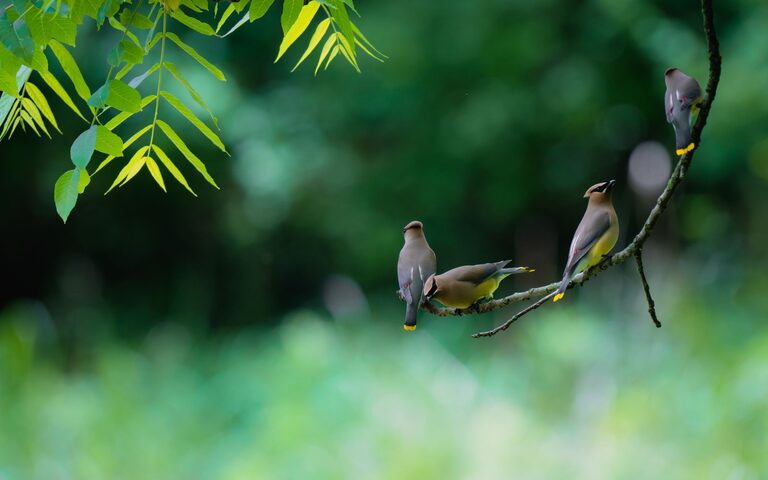
Birdwatching is a rewarding and relaxing hobby that brings nature closer to home. For beginners, starting with backyard birdwatching is a wonderful way to learn about local birds without needing to travel far. Whether you live in a city apartment or a suburban home, you can attract and observe many bird species with just a few simple steps.
In this guide, we’ll cover essential beginner tips to help you get started, including how to attract birds, what equipment you might need, and how to identify your feathered visitors.
Why Backyard Birdwatching?
Birdwatching in your backyard offers several benefits:
– Accessibility: You can enjoy it anytime without leaving home.
– Relaxation: Watching birds can reduce stress and boost mood.
– Learning: It’s a great way to learn about local wildlife and ecosystems.
– Conservation: Providing food and shelter supports local bird populations.
Now, let’s explore how to make your backyard inviting for birds and how to get the most out of your birdwatching experience.
Setting Up Your Backyard for Birdwatching
1. Provide Food Sources
Birds are naturally attracted to easy food sources. To encourage them to visit:
– Bird Feeders: Use simple feeders filled with seeds suited to local birds. Black oil sunflower seeds attract many species because they are high in energy and easy to crack.
– Native Plants: Planting native flowers, shrubs, and trees provides natural food like berries, seeds, and insects.
– Water: Birds need water for drinking and bathing. A birdbath or shallow dish with fresh water will draw birds in. Make sure to clean it regularly.
2. Offer Shelter and Nesting Sites
Birds seek safe places for resting and raising young. To provide shelter:
– Trees and Shrubs: Maintain or plant vegetation where birds can hide from predators.
– Nest Boxes: Install birdhouses matching the species you want to attract. For example, small boxes with appropriate openings are good for chickadees and bluebirds.
– Leave Leaf Litter: It encourages insects and provides ground cover for certain birds.
3. Reduce Hazards
Keep your yard safe by:
– Avoiding pesticides that can harm birds and their food sources.
– Keeping cats indoors or supervised, as they can threaten birds.
– Ensuring feeders and birdbaths are clean to prevent disease.
Essential Birdwatching Gear for Beginners
While you don’t need much to start birdwatching, a few basic items make the experience more enjoyable:
– Binoculars: A good pair helps you see details from a distance. Look for compact, lightweight models with at least 8x magnification.
– Field Guide or App: A guidebook or bird identification app helps you learn which birds you are seeing.
– Notebook or Journal: Record your sightings and observations to track progress and build knowledge.
– Camera (Optional): A basic camera or smartphone can capture photos for later identification and sharing.
Tips for Observing Birds Successfully
1. Be Patient and Quiet
Birds can be shy and easily startled. Approach slowly and stay quiet to avoid scaring them away. Find a comfortable spot where you can observe without frequent movement.
2. Observe at Different Times of Day
Bird activity varies through the day. Early morning and late afternoon are usually the best times to see a variety of species feeding and moving around.
3. Learn Bird Behavior
Understanding common bird behaviors, such as feeding habits or flight patterns, enhances your ability to identify and appreciate different species.
4. Keep Consistent Records
Regular observation and record-keeping will help you notice seasonal changes and patterns in bird visits.
Identifying Backyard Birds
Start by learning to identify common birds in your area. Focus on key features like:
– Size and Shape: Compare to common objects (sparrow-sized, robin-sized).
– Color Patterns: Note distinctive markings on wings, head, and body.
– Songs and Calls: Many birds have unique sounds that can help identification.
– Behavior: Feeding style, flight, and posture can offer clues.
Using a combination of these traits with your field guide or app will quickly improve your identification skills.
Joining the Birdwatching Community
Birdwatching is a hobby shared by millions worldwide. Connecting with others can enhance your experience:
– Local Bird Clubs: Many communities have clubs that offer outings and workshops.
– Online Forums and Social Media: Join groups to share photos, ask questions, and learn from others.
– Citizen Science Projects: Participate in programs like the Audubon Christmas Bird Count or eBird to contribute data and track bird populations.
Final Thoughts
Backyard birdwatching is a gentle way to connect with nature and add enjoyment to your daily routine. With a bit of preparation and curiosity, you’ll soon discover the fascinating world of birds living just outside your door.
Start small, observe often, and enjoy the beauty of your feathered neighbors. Happy birdwatching!