
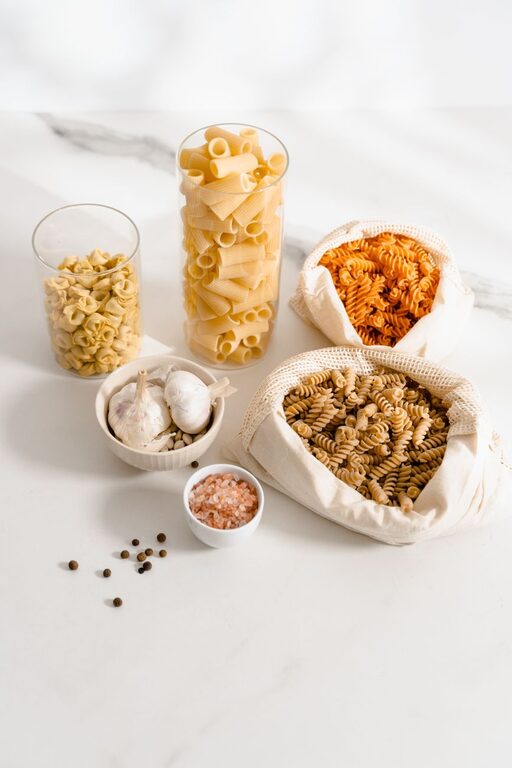
Planning meals from pantry staples is a practical way to make cooking easier, reduce food waste, and save money. Your pantry is likely filled with versatile ingredients that can come together to create a variety of tasty dishes. With a little planning and creativity, you can turn these basics into satisfying meals without last-minute trips to the store.
In this post, we’ll guide you through the process of meal planning using pantry staples, share tips on organizing your kitchen, and offer ideas for simple recipes to get you started.
Why Plan Meals from Pantry Staples?
Pantry staples — like canned goods, dried grains, beans, spices, and oils — are shelf-stable items that form the backbone of many meals. Planning meals around these ingredients:
– Reduces food waste by using what you already have
– Saves money by limiting impulse grocery trips
– Makes cooking faster and less stressful
– Encourages creativity with simple ingredients
Step 1: Take Stock of Your Pantry
Before you start meal planning, get a clear picture of what you have. Set aside some time to:
– Empty your pantry shelves
– Check expiration dates and toss expired items
– Group similar items together (e.g., canned tomatoes, beans, grains)
– Make a list of your staples, noting quantities
Knowing what’s on hand helps you plan meals around those ingredients instead of shopping for new ones.
Step 2: Build a List of Pantry-Friendly Meal Ideas
Start by thinking about meals that use common pantry staples. Here are some classic examples:
– Pasta with tomato sauce and canned vegetables
– Rice and beans with spices and canned corn
– Chili made with canned beans, tomatoes, and chili powder
– Soup from broth, canned vegetables, and dried pasta or rice
– Stir fry using shelf-stable sauces and quick-cooking noodles
Make a list of easy recipes you can prepare with what you have. There are many online resources and cookbooks focused on pantry-based meals.
Step 3: Plan Weekly Menus Around Your Staples
With your pantry list and meal ideas in hand, create a weekly menu:
– Choose recipes that share common ingredients to reduce waste
– Incorporate fresh items like veggies, dairy, or protein as needed
– Use leftovers creatively for lunches or new dishes
– Keep meals balanced with a mix of grains, proteins, and vegetables
For example, if you have canned tomatoes and beans, you could plan chili one day, a bean stew another day, and a tomato-based pasta sauce for dinner later in the week.
Step 4: Supplement Your Pantry with Fresh or Frozen Items
While pantry staples provide the base, fresh or frozen foods add flavor and nutrition. Plan to buy:
– Fresh vegetables or fruits that complement your pantry meals
– Proteins like eggs, tofu, chicken, or fish
– Dairy or dairy alternatives if you use them
Buying versatile fresh ingredients that pair well with pantry staples helps create balanced meals.
Step 5: Prep in Advance to Save Time
Cooking can be quicker and more enjoyable with a little prep:
– Soak dried beans or grains ahead of time
– Chop fresh vegetables in advance and store in the fridge
– Cook larger batches of pantry-based meals to refrigerate or freeze for later
– Organize your pantry so items are easy to find
Prepping ingredients and meals saves time during busy weekdays.
Tips for Keeping a Well-Stocked Pantry
To make meal planning even easier in the future, maintain a pantry with essentials such as:
– Dried pasta, rice, and grains like quinoa or couscous
– Various canned beans (black beans, chickpeas, kidney beans)
– Canned tomatoes, tomato paste, and sauces
– Cooking oils like olive or vegetable oil
– Spices and herbs for flavoring
– Broth or stock cubes or powder
– Shelf-stable condiments (soy sauce, vinegar, mustard)
Rotate items regularly to keep them fresh and update your pantry list as you use items.
Sample Pantry Staples Meal Plan
Here’s an example of a simple weekly menu using pantry staples as the base:
– Monday: Spaghetti with canned tomato sauce, garlic, and dried herbs
– Tuesday: Black bean chili with canned beans, tomatoes, and chili powder served with rice
– Wednesday: Lentil soup with dried lentils, canned carrots, and broth
– Thursday: Rice and canned corn stir fry with soy sauce and frozen mixed vegetables
– Friday: Chickpea salad with canned chickpeas, olive oil, vinegar, and fresh herbs
– Saturday: Tuna pasta salad using canned tuna, pasta, and canned peas
– Sunday: Vegetable curry with canned tomatoes, coconut milk (canned or shelf-stable), and spices
Simple Pantry Staples Recipes to Try
Quick Chickpea Curry
– 1 can chickpeas, drained and rinsed
– 1 can diced tomatoes
– 1 small onion, chopped
– 1 tablespoon curry powder
– 1 cup vegetable broth or water
– Oil for cooking
Instructions:
- Heat oil in a pan and sauté onion until soft.
- Add curry powder and cook for 1 minute.
- Pour in tomatoes, chickpeas, and broth.
- Simmer for 15–20 minutes.
- Serve with rice or bread.
Easy Pasta with Garlic and Olive Oil
– 8 oz pasta
– 3 tablespoons olive oil
– 3 cloves garlic, thinly sliced
– Red pepper flakes (optional)
– Salt and pepper
Instructions:
- Cook pasta according to package directions.
- Heat olive oil in a skillet, add garlic, and cook until fragrant (don’t burn).
- Toss cooked pasta with garlic oil, add red pepper flakes if desired.
- Season with salt and pepper to taste.
Final Thoughts
Planning meals from pantry staples is a smart, economical way to enjoy home-cooked meals without stress. By organizing your pantry, creating simple recipes, and incorporating fresh ingredients, you can turn everyday items into delicious dishes.
Start small, experiment with different pantry-based meals, and watch how your cooking and grocery shopping become easier and more efficient!