
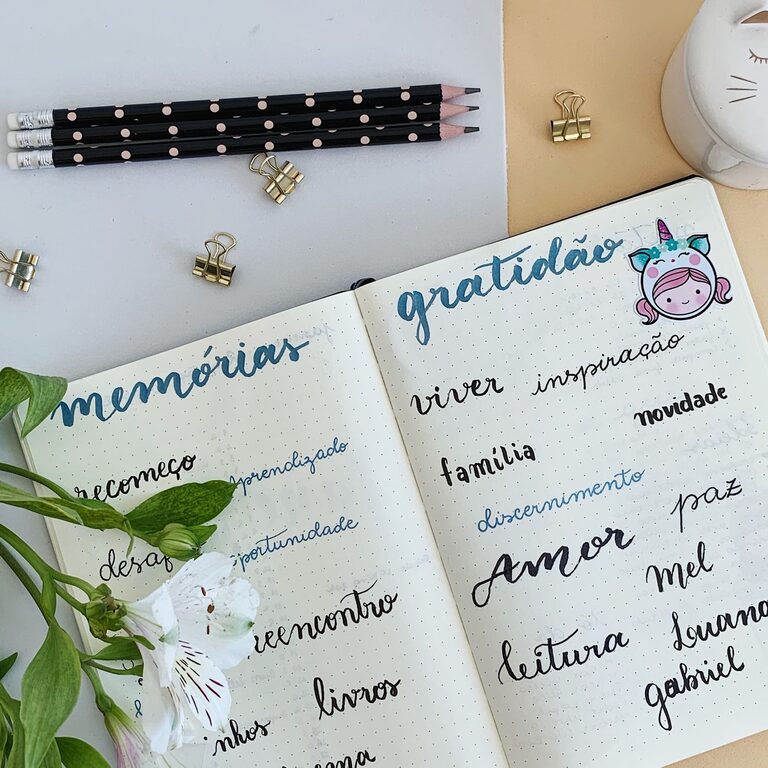
Starting a gratitude journal is a wonderful way to cultivate a positive mindset, reduce stress, and improve overall well-being. By regularly writing down what you are thankful for, you train your brain to notice and appreciate the good things in life. If you’re new to this practice or want to make it a consistent habit, this guide will walk you through everything you need to know.
What Is a Gratitude Journal?
A gratitude journal is a personal notebook or digital document where you record the things, people, or experiences you are grateful for. It’s not about ignoring challenges but about balancing your perspective by recognizing positive moments each day.
Benefits of Keeping a Gratitude Journal
Before we get into how to start, it’s helpful to know why gratitude journaling works. Research and personal experiences show it can:
– Increase feelings of happiness and contentment
– Improve sleep quality
– Reduce stress and anxiety
– Strengthen relationships by recognizing kindness and love
– Encourage mindfulness and a focus on the present moment
How to Start Your Gratitude Journal
1. Choose Your Journal Format
Decide whether you want a physical notebook or prefer a digital option. Physical journals can be more personal and satisfying to write in, while apps or documents offer convenience and easy organization.
– Physical journal: Pick a notebook you like, whether simple or decorative.
– Digital journal: Use apps like Evernote, Google Docs, or dedicated gratitude journaling apps.
2. Set a Time and Place for Journaling
Make journaling a part of your routine to help it stick. Many people find it effective to write either:
– In the morning to start the day positively
– In the evening to reflect on good moments from the day
Choose a quiet, comfortable spot free of distractions.
3. Start Small and Be Consistent
You don’t need to write paragraphs or long entries. Start with 3 to 5 things you’re grateful for each day, even if they seem small or ordinary. Consistency is more important than volume.
Examples include:
– A warm cup of coffee
– A kind word from a friend
– A sunny day
4. Be Specific and Meaningful
Try to go beyond general statements like “I’m grateful for my family.” Instead, focus on specific details that made you feel thankful.
For example:
– “I’m grateful for my sister calling me today and cheering me up.”
– “I appreciate the beautiful flowers I saw on my walk this morning.”
Being specific helps deepen your sense of gratitude.
5. Mix It Up Over Time
Keep your entries fresh by exploring different angles of gratitude. You might write about:
– People in your life
– Personal strengths or achievements
– Simple pleasures like a good meal or a peaceful moment
– Acts of kindness you witnessed or received
6. Reflect on Your Entries
Periodically review your past gratitude entries. Reflecting on what you’ve written can uplift your spirit during tough times and remind you of good moments you might otherwise forget.
Tips to Maintain Your Gratitude Journal Habit
– Set reminders on your phone or calendar.
– Pair journaling with another habit (like having your morning coffee).
– Share your gratitude with friends or family occasionally to reinforce positive connections.
– Be gentle with yourself; if you miss a day, just start again without guilt.
– Use prompts if you feel stuck. For example:
– What made you smile today?
– Who helped you this week?
– What is something you often take for granted?
Common Questions About Gratitude Journaling
How long should each entry be?
There is no fixed length. Even a few words or a single sentence can be powerful. The goal is to focus your attention on gratitude, not to write a long essay.
Can I write negative experiences?
Gratitude journals usually focus on positive aspects, but you can acknowledge challenges while looking for lessons or silver linings. For example, “I’m grateful for the support I received while dealing with a difficult situation.”
Is journaling alone enough for happiness?
Gratitude journaling is a helpful tool but works best alongside other healthy habits like exercise, social connections, and self-care.
Final Thoughts
Starting a gratitude journal is simple, inexpensive, and deeply rewarding. By dedicating just a few minutes each day to note what you’re thankful for, you can build a more positive outlook that improves your mental and emotional well-being. Remember, there’s no right or wrong way—just what feels meaningful to you. Grab a notebook or open your favorite app, and enjoy the journey of gratitude.