Creating a weekly meal plan might seem daunting at first, but it’s a fantastic way to save time, reduce stress, and improve your diet. Whether you’re cooking for yourself, your family, or friends, having a plan can make your week flow smoother and help you avoid last-minute dinner dilemmas. This guide will walk you through simple steps to create a meal plan that fits your lifestyle.
Why Create a Weekly Meal Plan?
Before diving into the how-to, it’s helpful to understand the benefits of meal planning:
– Saves time: No more daily indecision about what to cook.
– Reduces food waste: Using a plan helps you buy only what you need.
– Saves money: Planning means fewer impulsive purchases or takeout.
– Encourages healthier eating: You can plan balanced meals with the right nutrients.
Step 1: Assess Your Schedule and Needs
Start by looking at your upcoming week:
– Consider your commitments: Are you busy some nights? Do you want quick meals on workdays and more involved recipes on weekends?
– Number of meals: Decide whether you’re planning breakfasts, lunches, dinners, or all three.
– Special dietary needs: Think about allergies, preferences, or nutritional goals.
Create a rough calendar or table noting your daily availability for cooking and eating.
Step 2: Take Stock of What You Have
Before shopping, check your kitchen:
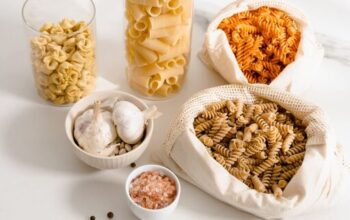
– Inventory your pantry, fridge, and freezer: Note staples like rice, pasta, canned goods, spices, and proteins.
– Plan meals around what’s on hand: This saves money and helps clear out items before they expire.
Step 3: Choose Your Recipes
Pick simple recipes that match your schedule and tastes:
– Start with family favorites: Include meals you enjoy or want to try again.
– Mix it up: Aim for a variety of proteins, vegetables, and grains to keep things interesting.
– Keep it realistic: Choose recipes that fit your cooking skills and the time you have.
If you’re unsure, there are many websites and apps with easy recipe collections.
Step 4: Create Your Meal Plan Template
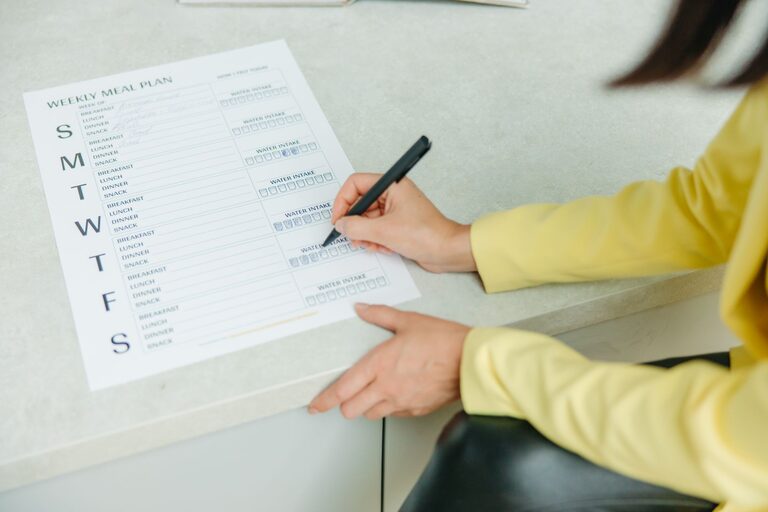
Use a planner, a notebook, or a digital tool:
– List days of the week: Include spaces for all meals you want to plan.
– Add your recipes: Assign meals to days based on your schedule.
– Plan for leftovers: Consider doubling meals to use leftovers for the next day’s lunch or dinner.
Having a visual plan makes grocery shopping and prep easier.
Step 5: Make a Grocery List
Once your meals are set:
– Write down all ingredients needed: Check what you already have to avoid duplicates.
– Organize your list by category: Produce, dairy, meats, pantry items, etc., to speed up shopping.
– Consider bulk purchases: Items you use often can be bought in larger amounts.
Step 6: Meal Prep When Possible
Preparing some ingredients ahead can save time during the week:
– Chop vegetables: Store them in containers for easy use.
– Cook grains or proteins: Prepare rice, quinoa, or grilled chicken in advance.
– Batch cook: Make soups, stews, or casseroles that keep well.
Meal prepping reduces daily cooking time and makes healthy eating more manageable.
Tips for Success
– Be flexible: It’s okay to swap meals or takeout if plans change.
– Use your freezer: Freeze portions for busy days or future weeks.
– Keep a list of quick meals: For days when cooking feels overwhelming.
– Involve others: If possible, get family members to help with planning or cooking.
Sample Simple Weekly Meal Plan
| Day | Breakfast | Lunch | Dinner |
|———–|———————-|——————–|———————-|
| Monday | Oatmeal with fruit | Turkey sandwich | Stir-fry vegetables & rice |
| Tuesday | Yogurt & granola | Leftover stir-fry | Baked salmon & salad |
| Wednesday | Smoothie | Mixed greens salad | Spaghetti with tomato sauce |
| Thursday | Eggs & toast | Soup & sandwich | Chicken fajitas |
| Friday | Pancakes | Veggie wrap | Homemade pizza |
| Saturday | Bagel with cream cheese | Leftover pizza | Grilled steak & veggies |
| Sunday | French toast | Quinoa salad | Roast chicken & potatoes |
Final Thoughts
Creating a weekly meal plan doesn’t have to be complicated or time-consuming. Start small, keep your meals simple, and adjust as you go. Over time, meal planning will become a natural part of your routine, helping you eat better and feel more organized throughout the week. Happy cooking!